
Posted by OnlineVapeShop US on Aug 19th 2026
Geek Bar Flavors 2026: The Science Behind Taste and Technology
The world of vapor production is driven by complex chemistry and highly precise mechanical engineering. When exploring Geek Bar Flavors 2026, users are actually experiencing a calibrated scientific process rather than simple mixing. This comprehensive explainer is designed to demystify the fundamental concepts, terminology, and internal operations that make modern vaporizers function so consistently. By breaking down the components of e-liquids, thermal dynamics, and advanced hardware mechanics, adult consumers can better understand exactly how their devices deliver such pristine sensory outputs from the first draw to the final drop.
1. Decoding E-Liquid Chemistry in Modern Disposables
To understand vapor, one must first look at the foundational liquids. Modern e-juice is not a single substance but a carefully balanced suspension of chemical carriers and aromatic compounds designed to atomize at specific temperatures.
The Role of Propylene Glycol vs Vegetable Glycerin
The base of any vape juice relies on the ratio between Propylene Glycol (PG) and Vegetable Glycerin (VG). PG is a thin, organic compound that acts as a flavor carrier and provides the physical throat hit. VG is a thicker, sweeter liquid derived from plant oils that generates dense aerosol clouds when heated.
2. How Synthetic Nicotine Alters Sensory Perception
The chemical structure of the active ingredient drastically changes how a user perceives a device. The industry has shifted away from tobacco-derived freebase solutions toward laboratory-synthesized alternatives.
Alkalinity and Smoothness in High-Wattage Hits
Synthetic nicotine salts have been chemically altered using benzoic acid to lower their pH level. This reduction in alkalinity allows the body to absorb the substance much faster while completely removing the harsh, peppery burning sensation usually associated with high-wattage hits.
3. The Engineering of Dual Mesh Coil Wicking
The heart of the complete Geek Bar device ecosystem is its heating element. Traditional wire coils have been replaced by mesh grids, which are laser-cut metal sheets that provide a massive surface area for heating the liquid evenly.
Preventing Cotton Oxidation During Long Draws
Mesh technology prevents localized hot spots. Because the heat is distributed evenly across the organic cotton wick, it prevents the cotton from burning or oxidizing prematurely, ensuring that long, deep draws do not result in a charred, metallic aftertaste.
4. Analyzing Sweeteners and Sucralose Degradation
The perception of sweetness in vapor is primarily achieved through the addition of artificial sweeteners, most commonly sucralose. However, heating sugar compounds introduces significant engineering challenges.
Extending Hardware Life by Reducing Carbon Buildup
When sucralose is vaporized, it tends to caramelize and leave thick, dark carbon deposits on the metal mesh. By formulating recipes with heat-resistant sweeteners and lower sucralose concentrations, engineers extend the lifespan of the hardware by preventing this suffocating carbon buildup.
5. Understanding Artificial Cooling Agents Like WS-23
Many users prefer a chilling sensation, often labeled as "Ice." Modern devices rarely use botanical peppermint, as its natural oils can quickly degrade the wicking material.
Achieving Throat Freeze Without Peppermint Bitterness
Instead, chemists utilize synthetic cooling agents like WS-23. This specific compound triggers the cold receptors in the throat and mouth without carrying any minty taste or botanical bitterness, allowing the primary fruit profiles to remain entirely unaltered.
Geek Bar Flavor Science Explainer
6. The Mechanics of Airflow and Vapor Temperature
Airflow is not just about the physical ease of drawing; it is a critical component in temperature regulation. The amount of ambient air introduced into the vaporizing chamber dictates the final characteristics of the aerosol.
Modifying Intake for Denser Aerosol Concentration
By restricting the airflow vent, less oxygen mixes with the vapor. This results in a warmer, highly concentrated aerosol that delivers an intense sensory burst. Conversely, wide-open airflow cools the mesh faster, producing massive, airy clouds.
7. Battery Voltage Regulation and Output Stability
A consistent puff requires a consistent power supply. As a lithium-ion battery drains, its raw voltage naturally drops, which historically led to weak vapor production toward the end of a device's life.
Ensuring Consistent Delivery from 100% to 0%
Modern microcontrollers solve this by implementing voltage regulation. The internal chip acts as a gateway, forcing the battery to output a steady, standardized voltage to the coils regardless of the cell's actual remaining charge, ensuring consistent delivery until the device is completely dead.
8. Exploring the Hardware Capabilities of the Mate Series
Pushing the boundaries of capacity requires redefining internal architecture. The advanced Geek Bar Mate 60K architecture serves as a prime example of high-endurance engineering.
Managing Huge Liquid Reserves in the Mate 60K
Storing tens of milliliters of liquid without leaking requires pressurized vacuum chambers and specialized absorbent sponges. These materials act as a buffer, feeding liquid to the coil at a precise rate so the massive reservoir does not flood the chimney during transport.
9. Extraction Techniques for Authentic Fruit Profiles
Replicating the exact taste of a fresh mango or strawberry in vapor form requires advanced extraction methodologies rather than simply mixing artificial food coloring and generic syrups.
Isolating Terpenes for Natural Tropical Blends
Chemists achieve authenticity by isolating specific terpenes—the aromatic organic compounds found in real plants. By analyzing the exact terpene profile of tropical fruits, scientists can reconstruct the natural aroma molecule by molecule, creating highly realistic tropical blends.
10. The Evolution of Smart Screens and Diagnostic Data
The integration of digital displays has transformed vaporizers from simple mechanical tools into smart devices. This telemetry provides crucial diagnostic data to the end-user.
Telemetry Sensors for Real-Time E-Juice Tracking
Unlike older devices where liquid volume was a guessing game, new systems use algorithmic sensors. By calculating the exact wattage output and the duration of every puff, the onboard computer accurately extrapolates the remaining e-juice and displays it in real-time.
11. Explaining the Differences in Regional Formulations
Vaping products are not universally identical; they are heavily regulated by regional laws, requiring manufacturers to alter their internal chemistry based on geographic destination.
Adapting to USA Disposable Vapes Compliance Standards
When developing products for the USA disposable vapes market, engineers must adhere to specific FDA compliance standards. This dictates the maximum allowable nicotine concentrations and requires strict laboratory testing to ensure zero prohibited chemical additives are present.
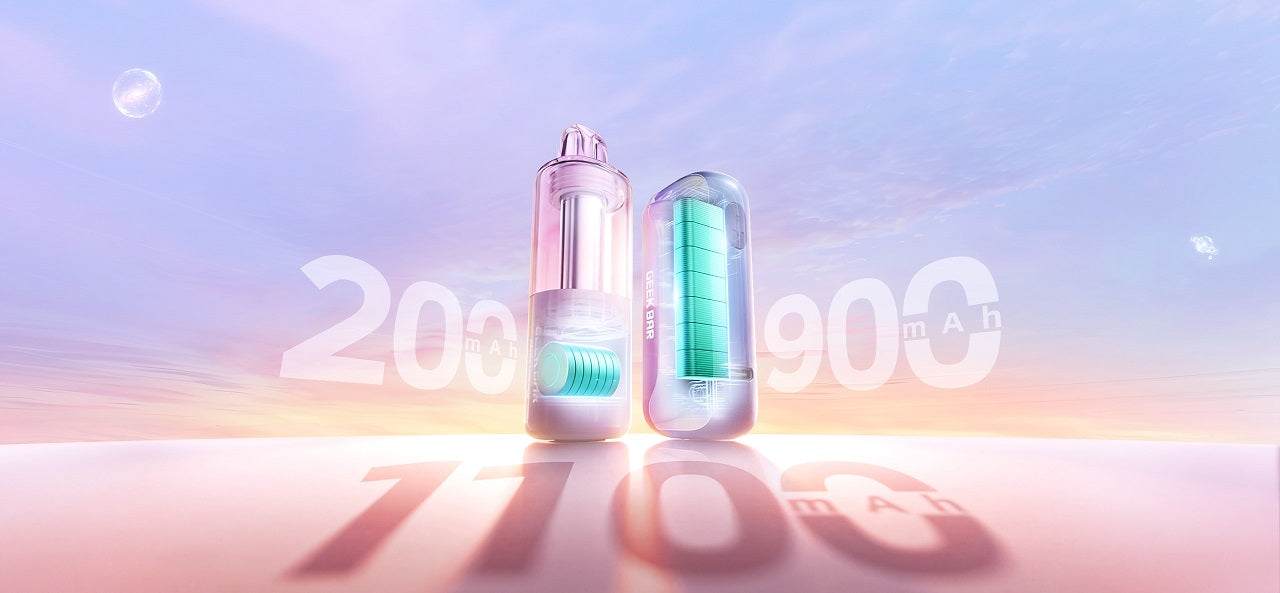
Geek Bar Mate 60k Internal Coils
12. The Chemistry Behind Dessert and Pastry Emulations
Creating the illusion of baked goods—like vanilla cake or pastry crust—relies on entirely different chemical families than fruit profiles.
Replicating Vanilla and Custard Notes Without Burning
Chemists utilize diketones and specific aldehyde compounds to recreate rich, creamy mouthfeels. The challenge is ensuring these heavier, denser molecules vaporize cleanly at standard temperatures without leaving sticky, burnt residue on the dual-mesh grids.
13. Environmental Factors Impacting Liquid Viscosity
Because e-liquid is a physical fluid, it is bound by the laws of thermodynamics. Its performance changes drastically depending on the physical environment of the user.
How Altitude and Cold Weather Affect Vapor Production
In cold weather, Vegetable Glycerin becomes highly viscous (thick), which slows down the capillary action of the cotton wick, potentially leading to dry hits. Similarly, high altitudes lower the air pressure, which can cause internal vacuum tanks to leak if not properly engineered.
14. Future Innovations in Atomization Technology
The future of vapor production is moving beyond traditional resistive heating. As we analyze the trajectory of high-capacity pulse units and mid-range 25K puff setups, entirely new atomization methods are being researched.
The Shift Toward Ultrasonic Vaporization Methods
Engineers are currently developing ultrasonic technology that vibrates liquid at frequencies high enough to turn it into an aerosol without applying direct heat. This would entirely eliminate the risk of burning cotton and produce a 100% chemically unaltered vapor.
Frequently Asked Questions (PAA Cluster)
What exactly is synthetic nicotine used in modern vapes? Synthetic nicotine is a lab-created version of the nicotine molecule that is not derived from the tobacco plant. It is molecularly identical but lacks the residual impurities found in agricultural tobacco, resulting in a cleaner, smoother vapor.
Why does my vape taste burnt when the screen says there is liquid left? A burnt taste occurs when the organic cotton wick dries out. This can happen if you chain-vape too quickly, not allowing the thick VG liquid enough time to re-saturate the cotton between puffs, even if the main tank still has liquid remaining.
How does a dual mesh coil improve flavor production? A dual mesh coil increases the surface area that makes contact with the e-liquid. By alternating the thermal load between two different metal grids, it prevents either coil from overheating, preserving the delicate chemical structure of the flavor compounds.
What is the purpose of the smart screen telemetry? Smart screens use onboard microprocessors to track your battery voltage and calculate liquid consumption based on your puff duration. This diagnostic telemetry eliminates dry-hit anxiety by alerting you exactly when to recharge or replace the hardware.