
Posted by OnlineVapeShop US on Aug 31st 2026
Which causes the least long-term damage to the lungs: cannabis joint, vape, cigarette, or cigar?
Navigating the medical consensus on inhalation methods is incredibly confusing for modern adults. Misinformation constantly floods online forums, making it difficult to separate scientific fact from anecdotal assumptions. If you find yourself asking, "Which causes the least long-term damage to the lungs: cannabis joint, vape, cigarette, or cigar?", you must look directly at the physiological mechanics of each delivery system. This comprehensive breakdown evaluates the specific chemical reactions, particulate matter deposition, and cellular stress associated with these four distinct inhalation habits to determine the hierarchy of respiratory risk.
1. The Physiology of Inhaling Combusted Materials
When any organic plant matter catches fire, the resulting smoke acts as a massive respiratory disruptor. The human respiratory tract relies on tiny, hair-like structures called cilia to sweep away debris. Burning plant material fundamentally paralyzes this biological defense mechanism.
Understanding Cellular Oxidation and Respiratory Stress
The introduction of superheated smoke triggers an immediate inflammatory response. Macrophages—specialized white blood cells in the lungs—are forced to work overtime to engulf foreign carbon particles, creating a state of constant cellular oxidation and prolonged respiratory stress that damages healthy tissue over time.
2. Analyzing Traditional Cigarette Tar Accumulation
Commercially manufactured cigarettes remain the most extensively studied inhalation method in medical history. They represent the baseline for maximum respiratory destruction due to their optimized chemical delivery design.
How Carcinogenic Compounds Affect Alveoli Elasticity
Burning tobacco creates thousands of chemicals, with over 70 recognized carcinogens. The thick, sticky byproduct known as tar coats the alveoli (tiny air sacs). This coating severely restricts the lungs' natural elasticity, leading directly to irreversible conditions like emphysema and Chronic Obstructive Pulmonary Disease (COPD).
3. The Reality of Cigar Smoke Inhalation Mechanics
Many users assume cigars are inherently safer because the smoke is traditionally held in the mouth rather than drawn deeply into the lungs. However, the sheer volume of unfiltered smoke presents its own set of dangers.
Secondhand Toxins and Upper Respiratory Tract Irritation
Even without deep inhalation, ambient cigar smoke frequently enters the upper respiratory tract. The highly alkaline nature of cigar smoke dissolves easily in saliva, meaning heavy toxins are still absorbed through the oral mucosa, causing severe upper respiratory irritation and significantly elevating the risk of mouth and throat cancers.
4. Combusted Cannabis Biomass and Bronchial Inflammation
Burning a joint produces smoke that is chemically very similar to burning tobacco. While cannabis lacks nicotine, the physical act of combusting organic weed biomass generates carbon monoxide, tar, and toxic gases.
Comparing Marijuana Ash to Standard Tobacco Particulates
Studies indicate that smoking marijuana can deposit up to four times as much tar in the lungs as smoking a comparable amount of tobacco. This discrepancy is largely due to the lack of synthetic filters on joints and the way users manipulate the smoke physically within their chest cavity.
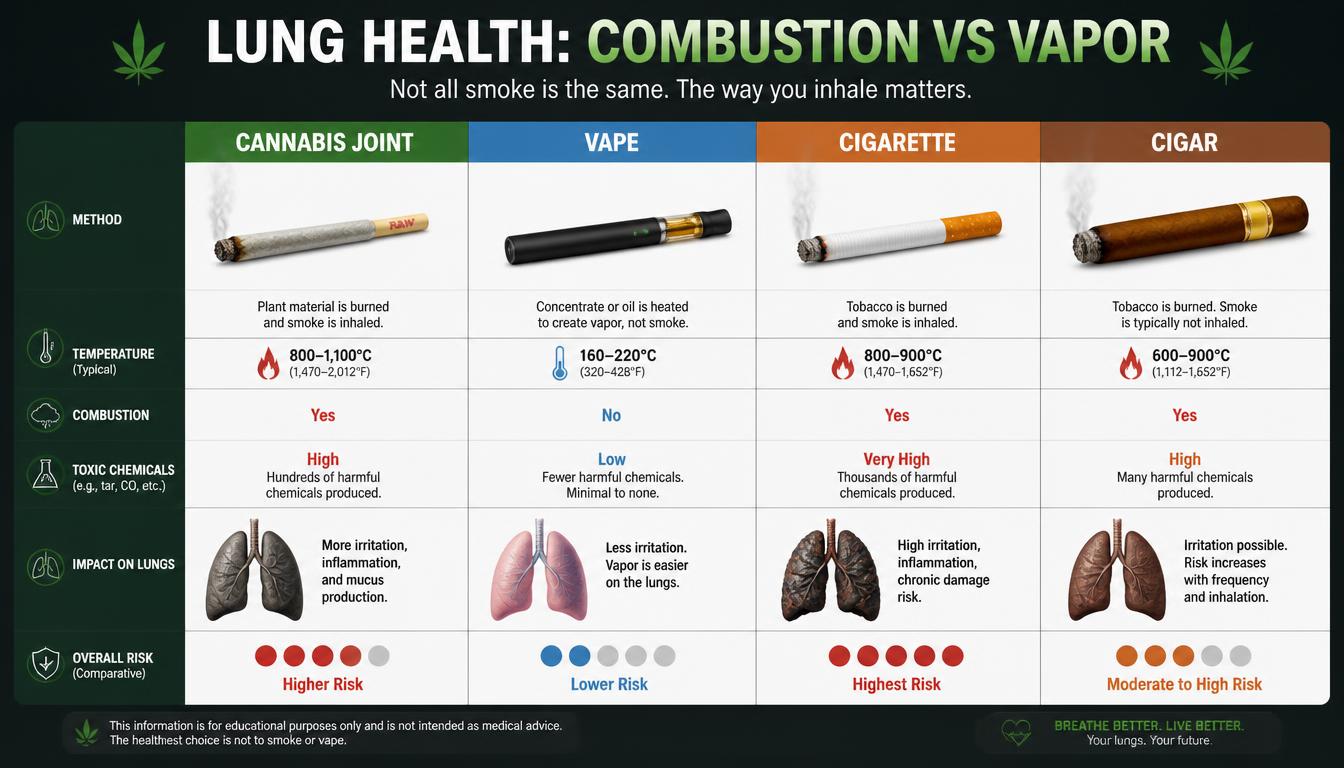
Lung Health Combustion Vs Vapor Chart
5. Electronic Vaporizer Aerosolization vs Traditional Burning
Unlike the other three methods, vaporizers do not rely on fire. Instead, a metallic mesh coil heats a liquid suspension consisting of propylene glycol, vegetable glycerin, and flavorings until it transitions into an aerosol.
The Absence of Carbon Monoxide in E-Liquid Devices
Because no physical matter is incinerated, vaping produces zero carbon monoxide and zero solid tar. Major public health organizations, including Public Health England, have stated that eliminating the combustion process removes the vast majority of the lethal chemical byproducts found in traditional smoke, positioning it as the least lung-damaging option on this list.
6. Heavy Metals and Coil Degradation in Vaping Systems
While vaping removes tar, it introduces a different set of variables that require scrutiny. The heating elements (coils) degrade over thousands of heating and cooling cycles.
Evaluating Micro-Particulate Exposure Over Time
Prolonged use of a single coil can lead to the leaching of trace heavy metals—such as nickel or chromium—into the vapor. While the exposure levels are exponentially lower than those found in cigarette smoke, long-term inhalation of these micro-particulates remains a focal point of ongoing respiratory research.
7. The Role of Deep Inhalation in Joint Smoking
The behavioral mechanics of consuming a joint drastically increase its potential for lung damage. Culturally, users tend to draw heavily and hold the smoke deep in their lungs to maximize the absorption of cannabinoids.
Breath-Holding Techniques and Increased Toxin Retention
This breath-holding technique forces the lungs to act as a sponge. By holding the smoke in for several seconds, the user unintentionally allows a significantly higher percentage of heavy tar and carbon particulates to settle and stick to the bronchial walls compared to a quick cigarette puff.
8. Chemical Additives Found in Commercial Tobacco Products
Modern cigarettes are engineered products. They are not merely dried leaves wrapped in paper; they are chemically treated to burn at specific temperatures and deliver nicotine as rapidly as possible.
Formaldehyde and Ammonia Reactions in Lung Tissue
Manufacturers often add ammonia compounds to "freebase" the nicotine, alongside sugars that turn into formaldehyde when burned. These specific chemical additions create a uniquely corrosive environment inside the lungs, accelerating the death of healthy respiratory cells.
9. Flavoring Agents in E-Liquids and Pulmonary Responses
The safety of vaping hinges heavily on the ingredients used in the e-liquid. While food-grade flavorings are perfectly safe to eat, their chemical behavior changes when subjected to high heat and aerosolization.
Diacetyl, Diketones, and the Risk of Bronchiolitis Obliterans
Historically, some e-liquids used diacetyl to create buttery flavor profiles, which was linked to "popcorn lung" (bronchiolitis obliterans) in factory workers. Reputable modern vape manufacturers have strictly banned diketones from their formulations to mitigate this specific respiratory risk.
10. Chronic Bronchitis Prevalence Among Daily Users
Frequent inhalation of any heated substance leads to the overproduction of mucus. The body attempts to trap the incoming irritants, leading to a chronic, hacking cough.
Coughing Patterns Associated with Chronic Marijuana Use
Daily joint smokers frequently report symptoms identical to chronic bronchitis: wheezing, heavy phlegm production, and morning coughs. Interestingly, clinical studies show these specific bronchial symptoms often reverse entirely when the user switches from combusting the plant to using a dry herb vaporizer.
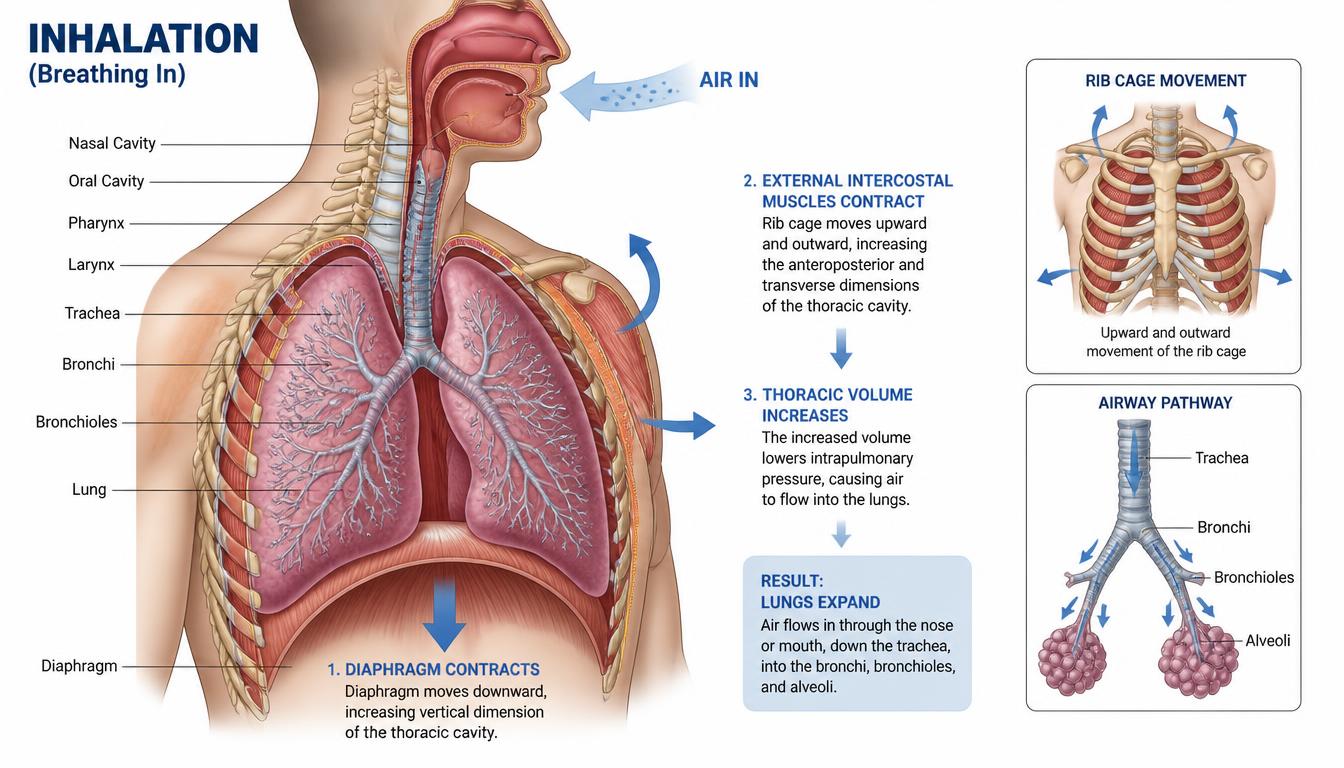
Respiratory System Inhalation Mechanics
11. Nicotine Delivery Without Combustion Byproducts
Evaluating lung damage requires isolating the active chemicals from the delivery vehicle. Nicotine itself, while highly addictive, is not a primary cause of lung tissue destruction or respiratory cancer.
Cardiovascular Impacts Versus Pure Respiratory Harm
When consumed via a clean vaporizer, nicotine acts primarily as a vasoconstrictor, elevating heart rate and blood pressure. Therefore, while vaping nicotine carries cardiovascular implications, it avoids the catastrophic respiratory tissue necrosis caused by the tar in combustible cigarettes.
12. Heat Damage to the Cilia and Tracheal Lining
The sheer temperature of the inhaled substance often causes micro-trauma to the throat and upper lungs long before the chemical toxins begin their work.
Thermal Burns from Unfiltered Cigar and Joint Draws
Because cigars and joints frequently lack the dense fiberglass or cellulose filters found on cigarettes, the smoke traveling into the mouth is intensely hot. This thermal assault continually burns the delicate cilia lining the trachea, stripping the airway of its ability to clean itself.
13. Reviewing Long-Term Medical Studies on Lung Capacity
Objective measurements of lung function—specifically how much air a person can forcefully exhale in one second (FEV1)—provide the clearest picture of long-term damage.
Spirometry Test Results Across Different User Demographics
Spirometry tests consistently show that heavy cigarette smokers suffer the most rapid decline in lung capacity. Daily cigar and joint smokers show moderate declines, while vapers (specifically those who transitioned away from smoking) often display lung capacity metrics that closely mirror those of non-smokers.
14. Harm Reduction Strategies for Adult Consumers
From a purely physiological standpoint, inhaling nothing but clean atmospheric air is the only completely safe option. However, for adults choosing to consume nicotine or cannabis, the science of harm reduction provides clear guidance.
Weighing the Lesser of Evils in Respiratory Health
If forced to rank them based strictly on respiratory destruction, commercially manufactured cigarettes cause the most catastrophic lung damage, followed by inhaled cigars and joints due to their heavy tar and carbon monoxide output. Vaping sits at the opposite end of the spectrum, offering a smoke-free aerosolization process that, while not 100% risk-free, subjects the lungs to a fraction of the toxic load.
Frequently Asked Questions (PAA Cluster)
Is a cannabis joint worse for your lungs than a cigarette? Puff for puff, a joint deposits more tar into the lungs than a cigarette because it is typically unfiltered and users inhale deeper and hold the smoke longer. However, because cigarette smokers generally consume a much higher volume of tobacco per day than joint smokers do cannabis, cigarettes cause more cumulative lung damage over a lifetime.
Why is vaping considered less damaging than smoking? Vaping eliminates the combustion (burning) process. Because no plant matter or paper is set on fire, vaporizers do not produce carbon monoxide or solid tar, which are the two primary compounds responsible for emphysema and lung cancer in traditional smokers.
Do cigars damage the lungs if you don't inhale? While cigar smokers typically hold the smoke in their mouth, ambient smoke inevitably enters the upper respiratory tract. Furthermore, the toxins are absorbed through the lining of the mouth, significantly increasing the risk of oral, esophageal, and throat cancers, even if deep lung damage is minimized.
Can your lungs heal if you switch from smoking to vaping? Yes. Clinical studies indicate that when chronic smokers switch completely to vaping, their lungs begin to clear trapped mucus and carbon debris. Many users experience improved respiratory function, reduced coughing, and better overall cardiovascular performance within a few months of quitting combustible tobacco.